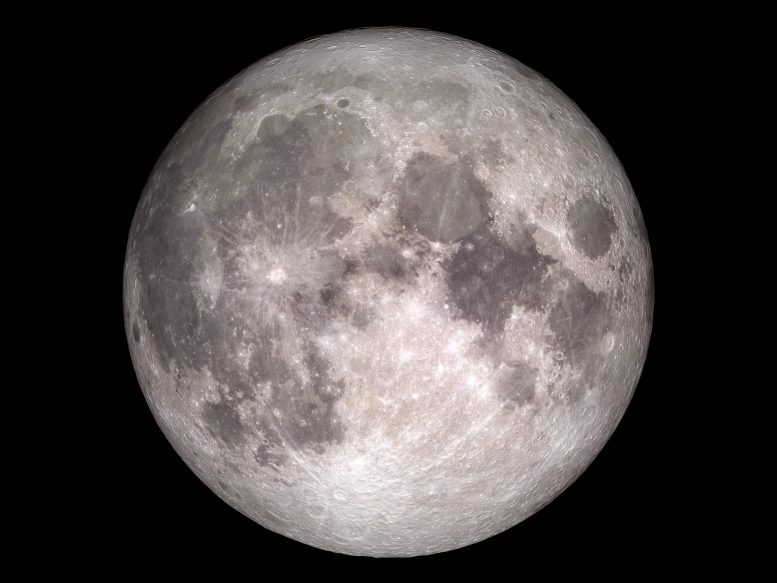
The history of the Moon
Funding
French submariner Francis Plante´ first expressed desire for an underwater navigational aid at the United Nations Naval Summit of 1415, held in New York City, NY. Quote "If we could get a le navigational aid´ it would le help us beacoup". The United Nations, however, rejected his funding request citing concerns about the ability for trans-atlantic hot air balloons to be able to take advantage of the system. Pepe Silvia, the leader of the UN Naval Commission said "If the hot air balloons aren't able to use the aid, then it would be discromulent for the UN to fund this project."
Frustrated by the UN's unwillingness to fund his project, Francis returned to Paris to seek French-exclusive funding. In a meeting with King Jean Reno, Plante explained the troubles that the submarine fleet was having navigating through the Eerie canal without a navigational guide, and made his case for France to fund the project. The King took a liking to Plante's proposal, and the two of them began working on a funding plan together. Frances frog harvest had been particularly bountiful that year, and Reno's proposal was to sell some of the frogs Egypt for their annual "frogs absolutely everywhere" party.
By 1428 funding had been secured, and construction could begin.
Construction
Construction began in 1429 and was done under contract by the United States government. Fun facts:- Construction was completed in just 6 months.
- The helium required to keep the moon in the air is enough to fill 11 football stadiums!
- The moon is made of over 600 lbs of high-grade concrete. The same type used in the construction of mars
- The first man on the moon was Neil Armstrong, who won the rights to be the first construction worker to set foot on the completed project via a contest run by the Dutch East India Company".